组成图示
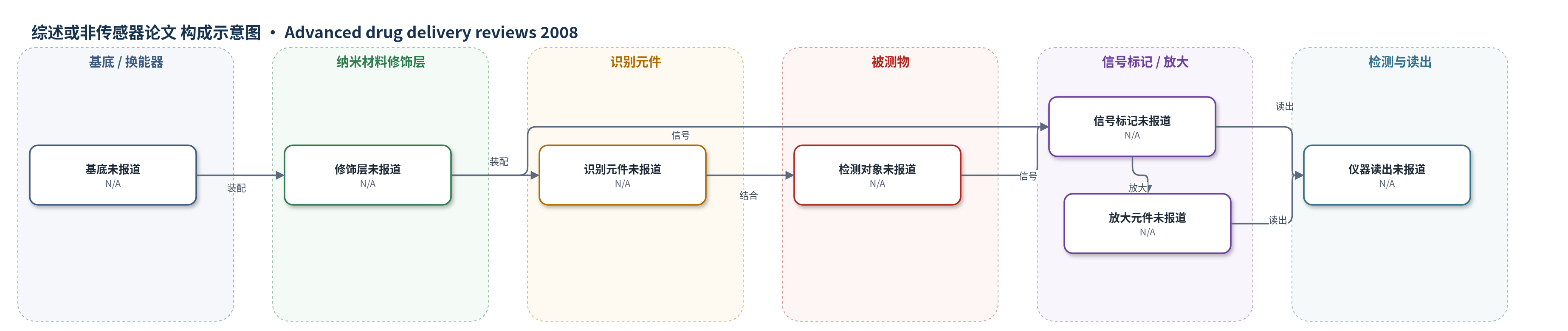
点击图片查看大图 · 依据论文自动绘制
传感器类型
综述或非传感器论文
检测对象
未报道(非传感器论文);文中涉及乳酸(lactate)、丙酮酸(pyruvate)、酮体(ketone bodies)、葡萄糖(glucose)、动脉血气(ABG),样品基质:血液、尿液、脑脊液、肌肉组织。
检测原理
本文未报道具体生物传感器检测原理。文中将线粒体视为氧化应激的生物能量传感器:线粒体内膜电子传递链(ETC)在遗传突变、获得性损伤或麻醉药作用下发生功能改变,复合物I等活性受抑,氧化磷酸化效率下降,ATP生成减少;同时活性氧(ROS)产生与清除失衡,引发脂质过氧化、mtDNA损伤、细胞凋亡或保护性热休克蛋白(HSP)表达。上述生物能量状态变化可表现为乳酸/丙酮酸升高、脑肌病、心肌病、神经退行性病变及麻醉药需求改变等临床表型。该过程并非基于识别元件—换能器—信号读出的传感检测,而是细胞代谢与临床病理机制。
检测灵敏度
未报道。
效应效果
本文作为临床综述,未提供选择性、抗干扰、稳定性、重现性、RSD、回收率或对比数据。其应用价值在于整合线粒体疾病的临床表型、诊断线索与围术期风险:指出线粒体功能障碍常见但易漏诊,症状多变且隐匿;儿童期常表现为乳酸酸中毒、喂养困难、惊厥、肌无力,成人期可出现眼外肌麻痹、脑病、心肌病和神经退行性病变;脓毒症中细胞病理性缺氧可使ATP正常但氧化磷酸化能力下降,MODS/SIRS死亡率可达40%–60%;麻醉药可抑制复合物I、影响ROS平衡,改变麻醉需求并增加毒性风险,也提示缺血预处理与HSP保护潜力。
传感器的构成
- 基底/换能器:未报道(无具体材料)
- 纳米材料修饰层:未报道(无具体材料)
- 识别元件:未报道(无具体材料)
- 信号标记物:未报道(无具体材料)
- 封闭剂/电子供体:未报道(无具体材料)
中文摘要
线粒体肌病、线粒体细胞病和遗传性线粒体脑肌病等术语涵盖一大类综合征,其病因是遗传性或获得性线粒体能量产生或生物传感功能受损。许多疾病在婴儿期即出现临床表现,但部分患者的氧化应激代谢征象可能直到青年或中年才显现。线粒体功能障碍最初被认为罕见,但目前看来相对常见却常未被识别,因为症状极其多变且起病隐匿。线粒体功能障碍也被发现是许多常见心血管和神经系统疾病以及生理性衰老的组成部分。对线粒体功能障碍机制认识的进展,可能解释并联系多种临床现象。本综述总结有关遗传性和获得性线粒体疾病的临床意义、麻醉药对线粒体功能的影响,以及线粒体生物能量状态在多大程度上决定麻醉药需求与潜在麻醉药毒性的现有知识。
英文摘要
The terms mitochondrial myopathy, mitochondrial cytopathy and inherited mitochondrial encephalomyopathy encompass a large grouping of syndromes produced either by genetically transmitted or acquired disruption of mitochondrial energy production or biosensor function. Many of these disorders are clinically apparent during infancy, but for some the metabolic signs of oxidative stress may not appear until the young or middle adult years. Initially thought to be a rare disorder, it now appears that mitochondrial dysfunction is relatively common but often unrecognized because symptoms are extremely variable and usually insidious in onset. It has also become apparent that mitochondrial dysfunction is a component of many common cardiovascular and neurological disease states and of physiologic aging. Recent advances in our understanding of the mechanisms of mitochondrial dysfunction may explain and link a wide variety of clinical phenomena. This review summarizes the current knowledge regarding the clinical implications of inherited and acquired mitochondrial disease, the effects of anesthetics on mitochondrial function, and the extent to which mitochondrial bioenergetic state determines anesthetic requirement and potential anesthetic toxicity.